
Trusted HVAC Services in Granite Bay by Vasyl
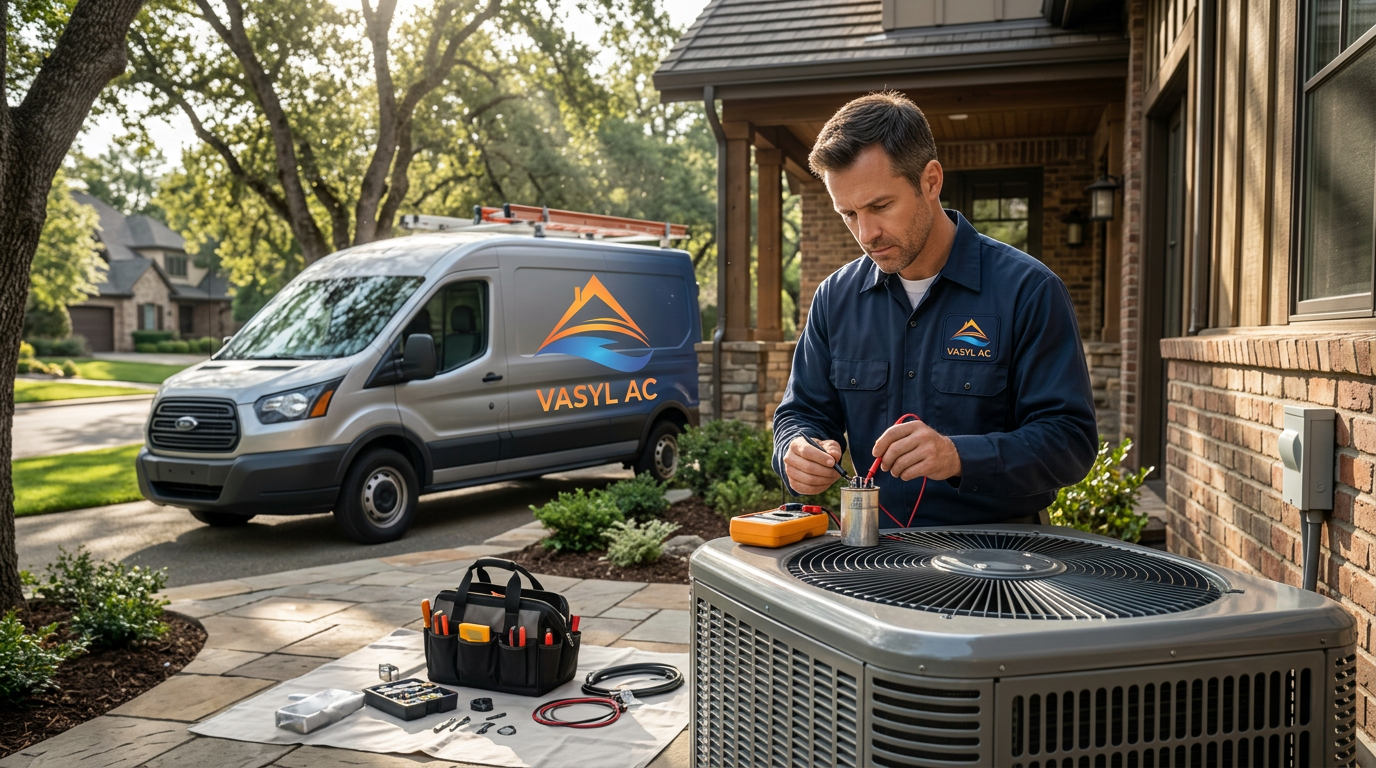
You might think every HVAC company in Granite Bay makes the same promise about honest work. After fifteen years in local attics and side yards, I have learned that honest service means explaining the fault before discussing the price or parts. My name is Vasyl, and I still answer difficult questions plainly, without a sales script. No rushed diagnosis, no padded invoice, no mystery.
In Granite Bay, a faint musty smell near a return grille can tell me more than a polished sales pitch ever will, especially when comfort has changed slowly in a home. At one summer call, a homeowner asked for a new system because stale air appeared whenever the blower started after dinner, and the family assumed replacement was inevitable without checking the basics. I checked accessible components first, found moisture and dust near the actual source, and showed the homeowner what I saw before recommending any repair or replacement in plain English. A small clue can prevent a very expensive guess and restore trust before a tool comes out. Behind that smell sat a neglected problem, not a reason to sell equipment the family did not need for its comfort, monthly budget, or a costly shortcut. With fifteen years in the trade, I still follow an old-world rule: find the cause, tell the truth, and fix only what belongs to the problem. But craftsmanship reaches beyond careful hands; it includes clean connections, sound measurements, and respect for the home after the work is finished with every visit and recommendation made. Families call me because local knowledge matters when Granite Bay heat pushes an aging system hard through a long cooling season and exposes weak decisions quickly inside older homes.
That is what Vasyl HVAC brings to California homes: old-world craftsmanship, direct answers, and judgment shaped by fifteen years of hands-on work in Granite Bay for homeowners who value plain talk over promises. Call me when you want a local owner who treats your equipment, your house, and your trust as things worth protecting on every service visit.
Why We Are the Area's Premier Local Experts
Keep that trust at the center of every visit, because a family’s comfort deserves more than a quick answer. For fifteen years, I have worked in Granite Bay homes where small details separated a durable repair from another summer call. Family-first service means I consider children, older relatives, pets, and the household budget before suggesting equipment or parts. A short pause at the thermostat, a careful question, and a plain explanation can prevent pressure from entering a decision that affects the whole household. No sales theater; only useful answers, clean workmanship, and respect for the people who live with the system.
Old-world craftsmanship shows in the parts nobody photographs, from tight electrical connections to level equipment, secure panels, and a work area left cleaner than I found it. When a Granite Bay homeowner mentions a metallic taste after the system runs, I treat that report as a clue, not a complaint, and I check the accessible components before guessing at the cause. Checking those details takes patience, especially in California homes where an aging installation may hide several small faults behind one uncomfortable symptom. No shortcuts, only measured decisions, direct explanations, and repairs matched to the actual condition of the equipment.
Precision matters because a loose connection, an incorrect airflow setting, or a missed drain issue can turn a modest service call into a larger household disruption; I would rather spend extra time finding the source than return for the same failure. Clear records help families understand what I found, what I changed, and what can wait, so the next decision does not begin with confusion or a sales pitch. That combination of family-first judgment, old-world care, and honest troubleshooting is why local homeowners continue calling Vasyl HVAC when they want an owner who stands behind the work.
Comprehensive AC Maintenance and Repair Services
Unlike a quick reset, what happens when your AC fails during Granite Bay heat? A tripped breaker may hide a failing capacitor or restricted airflow. After fifteen years in this trade, I know a quiet system can still lose cooling capacity. That uncertainty is why I test the electrical circuit, refrigerant operation, airflow, and condensate path before recommending repair. No guesswork. You get a clear explanation of the fault, the risk, and the repair choices available for your home.
At the first visit, I ask when comfort changed and which rooms feel warm. Then I check supply temperature by hand, inspect the filter, and examine accessible coils and wiring. Small clues matter; a cabinet that feels unusually hot or a weak air stream can point toward a larger restriction. A measured diagnosis, not a rushed opinion.
For maintenance, I tighten accessible electrical connections, inspect the disconnect, clear reachable debris, and verify the condensate drain has a clear path. I check blower operation and static pressure when airflow feels weak. In older Granite Bay installations, worn contactors, tired capacitors, and damaged insulation can develop together. One failed part does not always justify replacement. Repair first, when the equipment remains safe and sound. When a repair is needed, I explain the part, labor, expected result, and any limitation before work starts. You remain in control of the decision; no surprise add-ons appear after the cabinet opens. Clean work matters.
By scheduling AC maintenance before the long California cooling season, you give me time to catch loose connections, drainage trouble, and airflow loss before the system stops, a small step with real value.
After service, I run the system through a full cooling cycle and feel the air at several registers. If a drain line needed attention, I tell you what caused the buildup and what to watch near the indoor equipment. For a repair, the invoice identifies the work completed and any condition worth planning for later. That record helps. Call Vasyl HVAC when your AC needs careful repair and maintenance, or when you want a dependable check before comfort turns into an emergency.
The Daikin Advantage: Premium Air Conditioning Services
Your maintenance visit gives us a baseline; Daikin gives that baseline more room to perform. You might think a premium badge changes only the invoice, but the real difference appears after the house reaches its set temperature. With Daikin’s inverter-driven equipment, the compressor can adjust its output instead of starting and stopping at one fixed pace, which helps match cooling demand more closely. That matters in real rooms. Less cycling means fewer abrupt starts. Quieter operation follows. On a Granite Bay afternoon, that change can make a hallway feel calmer while the system keeps working in the background. Small difference. Real comfort.
As an official Daikin representative, I have direct familiarity with the equipment, its controls, and the service information behind each model, which helps when a homeowner needs an answer beyond a sales brochure. A useful distinction is knowing which settings affect sound, humidity, and comfort, then explaining those choices before the equipment goes into the attic, garage, or side yard.
With efficiency ratings reaching up to 18 SEER on applicable Daikin equipment, the right match can reduce electricity needed for a given amount of cooling without asking the compressor to run at full output all day. That rating is not a promise for every home, since a leaky duct system or an oversized unit can erase much of the expected gain. Square footage, duct condition, insulation, thermostat settings, and installation quality still shape the power bill, and I check those factors before attaching a performance claim to any model. Numbers matter. So does the field work behind them, especially when a quiet, steady cycle matters as much as the monthly utility statement.
At one Granite Bay home, the owners complained about a low hum that never seemed to stop. The old unit cooled the living room, then surged back on before the bedrooms settled into a quiet evening. After I checked the duct layout and the home’s cooling needs, I recommended a Daikin option sized for the house rather than the largest cabinet that would fit. Not the biggest unit. The inverter control could ease into demand, hold a steadier output, and avoid the hard start that had become part of their evening soundtrack. Once the installation was complete, the homeowners noticed the change first at night: fewer starts, less mechanical thump, and a softer outdoor sound. That result came from the equipment and the match between the equipment, ductwork, and home. Good technology still needs a careful installation, sound commissioning, and clear control settings.
A measured choice, not a logo, guides my Daikin recommendation when its efficiency, sound profile, controls, and fit suit the house and the owner’s priorities.
Furnace Maintenance, Repair, and Installation
I remember a Granite Bay homeowner calling after a furnace left a dusty smell near the return, a small warning that had already pointed toward a dirty filter and neglected burner compartment.
A furnace visit starts with safety, not a sales pitch. Before winter demand rises, I inspect the heat exchanger, burners, venting, wiring, blower assembly, and limit controls. In an attic, garage, or tight utility closet, access changes the inspection, but the standards do not. No guesswork.
Furnace maintenance protects more than comfort because a cracked heat exchanger, blocked flue, or loose electrical connection can turn a routine heating call into a serious safety concern.
During maintenance, I check the filter and measure the furnace’s operating behavior against its rated design. A clogged filter leaves a dusty smell around the return and restricts the air needed across the heat exchanger. Checking the blower wheel matters too, since dust on its blades can reduce airflow and place extra strain on the motor. The burner flames need a clean, stable pattern; yellowing, rollout marks, or soot call for investigation. Carbon monoxide protection comes next: I inspect vent connections and confirm that combustion gases have a safe path outdoors. With older equipment, the heat exchanger receives close attention because age alone does not prove failure, while visible damage cannot be ignored. Small faults become expensive when left through a full heating season. A recorded baseline gives us something useful to compare during the next service call.
When repair is needed, I explain the failed part and the consequence before recommending a fix. A weak igniter may leave the house without heat, while a failing blower capacitor can cause short cycles or a furnace that stops before the rooms reach the thermostat setting. Burners, flame sensors, pressure switches, relays, motors, and control boards each require different tests; replacing parts at random wastes money. In one Granite Bay home, a furnace would start, shut down, and leave a faint dusty odor near the return. The filter was overdue, but the deeper issue was restricted airflow combined with a dirty flame sensor. Cleaning the sensor alone would not have solved the call.
For installation, correct sizing comes before equipment selection. An oversized furnace may heat the thermostat area quickly, then cycle off before the rest of the home receives steady warmth. A smaller cabinet is not automatically the right answer either. I review the home’s layout, duct condition, insulation, thermostat location, gas connection, flue arrangement, and available service access. With a replacement in an attic or garage, clearances and condensate routing deserve careful attention. The installation must also include secure electrical connections, sealed duct transitions, correct venting, and controls that match the new furnace. Daikin equipment is part of my background as an official representative, but I do not attach a brand recommendation to a house without checking the installation conditions first. After startup, I verify ignition, temperature rise, airflow, shutdown response, and thermostat operation. Then I show the homeowner what to watch for: a dusty smell that returns, repeated starts, unusual cycling, or a furnace that fails to complete a heating cycle. Safe work. Clear answers. A warmer home without unnecessary repairs.
Your Ideal HVAC Maintenance Schedule & Planning
You might think a maintenance appointment belongs on the calendar only after the air conditioner struggles, but that timing leaves little room for prevention. Annual planning starts before comfort changes. Spring service prepares the cooling side. Fall service prepares the heating side. Waiting until a household feels weak airflow or uneven rooms gives small wear more time to become an expensive interruption. Put both seasonal reminders on your calendar. Keep the dates visible. A written plan beats a rushed phone call.
In Granite Bay, I tell homeowners to look ahead before the first serious stretch of cooling. Book the cooling visit while your household can still choose a convenient day, not during a crowded heat spell. My calendar has a simple note for each home: equipment age, last service date, filter size, and any concern mentioned by the homeowner. Small record. Big help. Those details prevent repeated questions and give the next visit a useful starting point.
After the cooling appointment, reserve time for the heating appointment before autumn arrives. A furnace deserves its own review because the equipment sits idle through much of the warmer season, and forgotten issues do not improve in storage. Taste is not a reliable safety test: carbon monoxide has no taste, so a metallic taste does not confirm or rule out a furnace problem.
Start your planning with the household calendar, then add the equipment calendar beside it. Mark school breaks, travel, rental turnovers, and any period when the home cannot be without cooling. Next, write down the model information from the cabinet label and the date of the last visit. If the label is hard to reach, take a clear phone photograph from a safe position. Useful details include the thermostat type, filter dimensions, and whether one outdoor unit serves several indoor zones. Do not guess. A service request with those facts helps me bring the right information and keeps the appointment focused.
At my shop, I have fifteen years of field notes behind this advice, including homes where an annual visit exposed a weak pattern before the family noticed a comfort problem. Schedule the first visit around the equipment’s workload, not a generic date copied from a neighbor’s calendar. Older systems, dusty construction areas, pets, and renovation work may call for a closer review of the record between visits. That is a planning question, not a sales pitch.
When the appointment is set, ask what the visit will cover and what information the technician needs before arrival. I prefer a short homeowner note with the date of the last filter change, unusual cycling, rooms that feel different, and any recent electrical or duct work. Keep that note with the service invoice, since a repair history reveals patterns that memory misses. For Daikin equipment, mention the model and installation history because factory specifications and controls can vary across product families. Leave access clear around the indoor unit and outdoor cabinet, and secure pets before the technician arrives. Then keep the next seasonal reminder active after the visit, because maintenance works best as a calendar habit rather than a one-time reaction.
Affordable Solutions at Highly Competitive Prices
Check the invoice. Last July, a Granite Bay homeowner called me after an estimate from another company doubled overnight. I found a failed capacitor, a loose wire, and a quote that bundled replacement parts the system did not need. The repair was smaller than advertised. The homeowner paid for the work, not a sales story. That conversation still shapes every estimate I write. Clear numbers matter when a family is already worried about a warm house.
After 15 years in the field, I have learned that competitive prices begin with accurate diagnosis, not cheap parts. A fair estimate names the problem, the recommended repair, the parts involved, and the labor required.
When a homeowner calls Vasyl HVAC, I do not treat every fault as a reason to replace the whole system. A worn contactor, restricted drain, or damaged wire may need a focused repair; replacing a sound unit would waste money.
On the first visit, I explain what I found in plain English. If the equipment needs testing before I can give a reliable price, I say so. No mystery charges appear after the work begins. No vague promise covers a changing invoice. When a repair is safe and sensible, I explain that option first. If replacement makes more financial sense, I show the reason, including equipment age, repair history, and likely future costs. Numbers only help when they connect to a real condition in the home.
My estimates separate labor, materials, and any recommended follow-up. That format lets a homeowner ask a useful question instead of guessing what one large total includes. A family may choose the repair today and plan a replacement later. That choice deserves respect. I do not pressure people into a purchase because a sales target needs attention. The work must fit the house and the household budget.
In some homes, the cheapest quote creates the highest cost later. I have seen bargain electrical parts fail early, drain repairs leave water damage risk, and undersized equipment run longer than it should. The smell of a musty drain pan can point to neglected moisture, but odor alone does not justify an expensive replacement. I inspect the cause and explain the evidence.
Older equipment deserves a different price discussion than a newer system with one failed component. A repair on a unit with a clean service history may be sensible. A system with repeated breakdowns can make another repair poor value. My job is to show that difference, not steer every customer toward the most expensive option.
Daikin equipment also needs clear cost reasoning because model, controls, and installation details affect the final estimate. One outdoor unit serving several indoor zones has different labor considerations from a single-zone setup. Two seasonal service visits may reveal wear before it becomes a breakdown, which can protect a household budget over time. I write those facts into the record, then discuss the next sensible step. Honest pricing is not a slogan on a truck. It is the moment when the invoice matches the work completed. Call Vasyl HVAC when you want a direct answer, a readable estimate, and 100% honesty on every job.
Proudly Serving Granite Bay and Surrounding Areas
Unlike a distant dispatch service, I remember the people behind each Granite Bay call. I remember a homeowner in Roseville whose cooling failed late in the day, leaving the family uncertain about help, cost, and whether anyone knew the neighborhood. That local knowledge changes the first conversation. From Granite Bay streets to Rocklin townhomes, I plan around gates, attic access, equipment age, and the practical limits of each property. A same-day emergency visit means more than arriving quickly; it means bringing the right testing tools, explaining the immediate risk, and giving the household a clear next step. No guessing or sales theater belongs in an emergency call.
My service area includes Granite Bay, Roseville, Rocklin, Loomis, Folsom, Fair Oaks, and Citrus Heights, with cooling help available for homes that need a direct answer without waiting several days.
Granite Bay remains my home base, so calls here receive familiar attention from the first address check. I know one property may have a narrow side gate, while another has attic equipment above a finished room, and those details affect access, time, and the tools I bring. In Roseville and Rocklin, I handle the same urgent problems residents describe across the region: a system that stopped during the afternoon, an outdoor unit that will not start, or a home that cannot hold a comfortable temperature.
Communities I Serve
- Granite Bay: This is where my local work begins. I serve established homes, newer construction, and properties with equipment tucked into tight utility spaces. When an air conditioner stops, I check the call details before leaving, then bring the meters and parts that match the reported fault. A short drive does not replace sound diagnosis. It gives me more time to prepare.
- Roseville: Same-day cooling service matters when a family has already spent hours moving from room to room. I take calls for failed capacitors, electrical faults, frozen coils, clogged condensate drains, and systems that run without lowering the indoor temperature. Each address receives a direct arrival window and a plain explanation of what I find. No vague promise.
- Rocklin: Townhomes and larger houses can present very different access problems. A condenser beside a narrow walkway needs a different plan from equipment reached through a garage or attic. I ask about the location before the appointment, which prevents wasted trips and delays. Emergency HVAC service must account for the building, not only the thermostat.
- Loomis: Longer drives do not change my standards. I still verify the electrical readings, refrigerant condition, airflow, and drain path before recommending a repair. If the equipment needs a part I do not carry, I explain the timing before promising completion. That honesty helps a homeowner decide whether to wait, use a temporary measure, or plan the next visit.
- Folsom: Cooling failures can affect bedrooms, home offices, and rooms used by older family members. A quick phone description helps me judge the urgency, but it cannot replace measurements at the equipment. I listen for the sequence of events, ask whether the breaker has tripped, and note any recent work. Small details can point the visit in the right direction.
- Fair Oaks and Citrus Heights: I serve these communities when the schedule and distance allow a responsible same-day response. The call still begins with practical questions, not a sales script. Is the fan running? Is water near the indoor unit? Did the system stop after a power interruption? Clear answers help protect the home and keep the appointment focused.
For emergency cooling calls, I sort the situation by risk rather than by the loudness of the complaint. A dead system deserves attention, but exposed wiring, active water near electrical equipment, or a burning electrical smell requires a safer response. Turn the equipment off when something seems unsafe; do not keep resetting a breaker to force another start. Knowing the difference protects people and limits damage. Once I arrive, I document the condition before touching parts, because an accurate record matters when a failure follows a storm, power event, or recent repair. With 15 years in the field, I have seen simple faults become expensive after repeated attempts to restart a damaged component. That pattern is avoidable. A direct call helps. My job is to identify the immediate problem, explain what can wait, and tell you what should not wait.
Local service also means respecting the time between the call and the visit. I keep communication direct, give the homeowner a realistic update, and explain any delay before it becomes a surprise; my coffee has tasted cold during plenty of long repair days, but a family should never be left wondering what happens next. When a Daikin system needs attention, I bring the same care to a single-zone home or a larger installation. Call Vasyl HVAC from Granite Bay or a nearby community when you need same-day emergency HVAC and cooling service, and tell me what the equipment is doing before I arrive.
Schedule Your HVAC Service Today & FAQs
But after an emergency call, why wait for the next failure? Booking planned HVAC service while the system still runs gives me a safer starting point. A visible warning, such as a darkened drain pan or a breaker that keeps tripping, can point toward a small fault before it becomes a shutdown. Call Vasyl HVAC in Granite Bay when you want a real appointment, not a vague promise. I ask what changed, when it changed, and whether anyone has reset the equipment. Clear details save time. My calendar handles routine visits and urgent calls, depending on the problem and the route. No sales script.
With 15 years in the field, I have learned that a short phone call can prevent a long repair day. From Granite Bay to Loomis, I want the address, equipment type, and clearest description of the problem before I set the appointment. A photograph of the thermostat display, outdoor unit, or water mark near the indoor equipment can help me prepare. Small detail. If you have a Daikin system, mention the model if you can see it on the cabinet label. That information helps me bring the right tools and check the right components.
During the call, I separate comfort complaints from safety concerns. A blank thermostat, visible wire damage, or water spreading near electrical equipment deserves a different response from a room that is simply warmer than expected.
For a routine appointment, choose a day when I can reach the indoor and outdoor equipment without moving stored boxes or furniture. Keep the thermostat visible, unlock any gate, and make sure pets have a separate area during the visit. Nothing complicated. If the system has stopped, leave the controls in their current state unless there is a burning smell, exposed wiring, active leaking near electrical parts, or repeated breaker trips. In those cases, switch the equipment off and tell me exactly what you saw. A clear photo can show a tripped breaker, a wet cabinet, or a dark stain that disappears before I arrive. That evidence matters when a problem comes and goes.
Once the appointment is booked, I give you a realistic arrival window and explain what information I still need. You should know what happens next before I pull into the driveway.
Frequently Asked Questions
How do I schedule HVAC service with Vasyl HVAC?
Call Vasyl HVAC and describe what the equipment is doing, where you are located, and whether the problem affects cooling, heating, airflow, or water control. I will ask a few practical questions before setting a visit. Photos of the thermostat screen, equipment label, or visible damage can help me prepare, but they do not replace an on-site inspection.
When should I schedule HVAC maintenance?
Book maintenance before the equipment becomes unreliable, especially when you notice a weaker thermostat response, uneven room temperatures, rising run time, or visible dust around the return grille. Spring is a sensible time to arrange cooling service, while early fall gives us room to address heating concerns before colder weather arrives. If the system has already stopped, request repair rather than waiting for a maintenance appointment.
What information should I provide when I call?
Tell me the property address, equipment brand, approximate age if known, and the exact change you noticed. Mention whether the thermostat display is blank, whether the outdoor fan starts, and whether a breaker has tripped. A picture of the model label or any visible water mark can make the first conversation more useful.
Can I schedule service if my AC still works?
Yes. A working system is a good candidate for a planned inspection when it runs longer than before, struggles to cool one area, or makes the thermostat setting difficult to maintain. Booking early gives me time to investigate airflow, electrical operation, drainage, and other causes before the equipment fails during a hot spell. No emergency premium created by panic.
How long does an HVAC service appointment take?
The time depends on the equipment, access, and reason for the visit. A straightforward inspection may finish in one visit, while a repair can take longer if the diagnosis points to a part that is not on the truck. I explain the findings before recommending work, and I tell you when a second appointment is needed rather than pretending every fault has a fast answer.
What should I do before the technician arrives?
Clear a safe path to the thermostat, indoor unit, outdoor condenser, electrical panel, and drain area. Unlock gates, secure pets, and gather any recent repair information or photographs. If you see active water near electrical equipment, damaged wiring, or repeated breaker trips, turn the system off and report those details when you call. Do not keep restarting equipment that appears unsafe.
Is emergency HVAC service available in Granite Bay?
I handle urgent cooling and heating calls in Granite Bay and nearby communities when the schedule and distance allow a responsible response. Safety comes first when a home has exposed wiring, active water near electrical parts, or a burning electrical smell. Describe the visible condition on the phone, and I can help decide whether the equipment should remain off until I arrive.
Need AC MAINTENANCE?
Get a free quote for your ac maintenance needs in Granite Bay.
Why Choose Vasyl AC?
✓ Licensed and insured HVAC contractor
✓ 24/7 emergency service available
✓ Free estimates on installations
✓ Experienced, certified technicians
✓ Competitive pricing and honest quotes
✓ Satisfaction guarantee on all work
Vasyl AC
Professional HVAC services you can trust. We provide expert air conditioning repair, installation, and maintenance services for residential and commercial properties.
© 2026 Vasyl AC. All rights reserved. | Licensed & Insured HVAC Contractor